

Food, understood.
An atlas of what we eat: the plant behind each food, what a measured sample holds, and how well each claim is known.
Browse the shelvesSearch the library
86 entries · 7 shelves · 39 measured profiles · 222 sources
Seven ways into the Atlas
Choose a shelf.
Stay for the story.
FruitAvocado, Apple, Papaya fruit13 studies
Vegetables & greensBeetroot, Carrot, Spinach12 studies
Grains, pulses & seedsBuckwheat, Oats, Quinoa10 studies
Herbs & spicesGinger, Turmeric, Cinnamon12 studies
Tea & infusionsWhite tea, Green tea, Oolong16 studies
Animal foods, fats & preparationsEgg, Beef, Lamb10 studies
Traditional materialsBai Shao, Dang Gui, Chuan Xiong13 studies
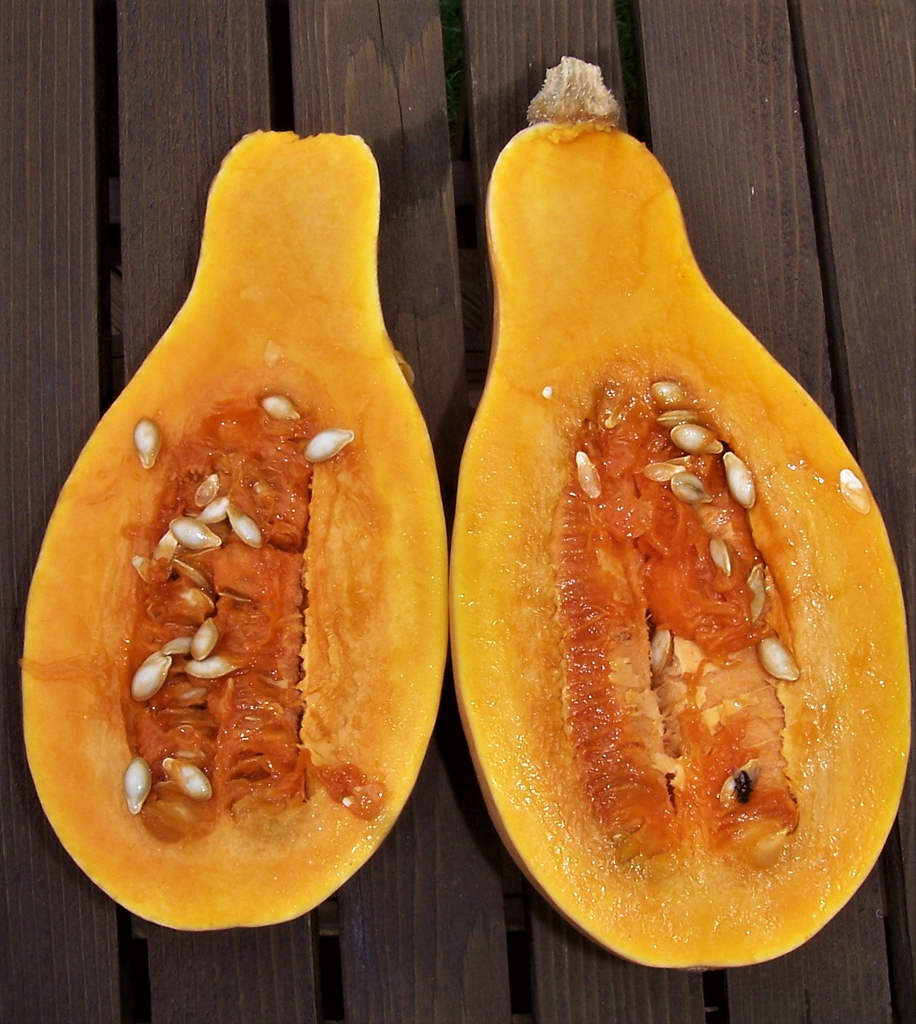
Butternut squash
Cucurbita moschata
Butternut is a mature squash with a firm rind, a seed cavity and sweet orange flesh.
| Energy | 40 kcal |
|---|---|
| Fibre | 3.2 g |
| Potassium | 284 mg |
| Vitamin A, RAE | 558 µg |
Per 100 g. Squash, winter, butternut, cooked, baked, without salt. USDA SR28 (2015), record 11486.
Read the studyBegin with a
closer look.
Three interactive studies explore structure, nourishment and evidence in depth.
Beetroot
Beta vulgarisA crimson root with concentric rings, folate and vivid pigment chemistry.
Carrot
Daucus carotaFollow the orange pigment from a storage root to the biology of normal vision.
Ginger
Zingiber officinaleAn aromatic underground stem, with a culinary story and evidence worth reading carefully.
A field guide for the kitchen, cup & beyond
Find your next
discovery.
Start with a colour, a familiar ingredient or a question you have never thought to ask.
Show materials with documented culinary and traditional medicinal uses. Different preparations can have different cautions.
86 entries to explore
Apple
An apple changes character with variety and cooking.
fruit · fresh / cooked medicinal herbAshwagandha
A medicinal root with an Ayurvedic history, sold in preparations that are not interchangeable.
root · dried / powdered fruitAvocado
Avocado brings a creamy texture to both savoury food and sweet dishes.
fruit flesh · ripe / fresh medicinal herbBai Shao · 白芍
White peony root as a named Chinese medicinal material, distinct from a garden flower.
root · dried fruitBanana
A banana can be firm and starchy, soft and sweet, or cooked into a savoury meal.
fruit flesh · ripe / fresh animal foodBeef
Beef can supply substantial protein and several micronutrients.
meat · cooked vegetableBeetroot
Beetroot is a storage root with edible plant tissue, natural sugars and distinctive pigments.
root · fresh / cooked grainBlack rice
Dark bran, a starchy centre and a place in both everyday bowls and celebratory food.
grain · whole / cooked spiceBlack seed
Black seed here means Nigella sativa.
seed · whole / ground oilBlack seed oil
Black-seed oil separates a fat-rich fraction from Nigella sativa seeds.
seed oil · extracted oil sproutBroccoli sprouts
Broccoli sprouts are young plants, not miniature broccoli heads.
sprouted seed · sprouted / cooked grainBrown rice
Brown rice has had its inedible husk removed while retaining the bran and germ.
grain · hulled / cooked pseudocerealBuckwheat
Buckwheat gives us groats, flour, noodles, pancakes and porridge.
dehulled seed · roasted / cooked vegetableButternut squash
Butternut is a mature squash with a firm rind, a seed cavity and sweet orange flesh.
mature fruit flesh · baked / cooked seedCacao
Seeds from pods growing on a tropical tree, transformed through processing into cocoa and chocolate.
seed · fermented / dried pulseCannellini bean
Cannellini is a white-seeded common bean.
mature seed · dried / cooked vegetableCarrot
The familiar orange carrot is one expression of a crop with purple, red, yellow and other forms.
root · fresh / cooked vegetableCelery
Celery has several kitchen forms.
leaf stalk · fresh / cooked infusion herbChamomile
A chamomile head looks like one flower, but it is a collection of tiny florets.
flower · dried / infused seedChia seed
Chia forms a soft gel around itself when hydrated.
seed · dried medicinal herbChuan Xiong · 川芎
A dried rhizome described under a medicinal botanical name in Chinese materia medica.
rhizome · dried spiceCinnamon
Cinnamon gives warmth of flavour to both sweet and savoury food.
bark · dried / ground spiceClove
Clove is the unopened flower bud of Syzygium aromaticum.
flower bud · dried / ground prepared foodCoconut milk
Coconut milk brings richness and body to food.
expressed flesh · expressed / liquid fruitCoconut water
Fresh coconut water is a lightly sweet liquid that changes as the fruit develops.
liquid endosperm · fresh / liquid culinary herbCoriander leaf
Coriander leaf brings aroma and colour in a small handful.
leaf · fresh vegetableCourgette
Courgette is an immature fruit of Cucurbita pepo.
immature fruit · fresh / cooked spiceCumin
The spice called cumin seed is the dried fruit of Cuminum cyminum.
dried fruit · whole / ground medicinal herbDang Gui · 當歸
An aromatic medicinal root with a specific Chinese materia-medica identity.
root · dried teaDark tea · 黑茶
A category in which post-fermentation is important, separate from English black tea.
leaf and bud · post-fermented / dried fruitDried cranberry
A chewy dried fruit whose added-sugar status needs to be read on the packet.
fruit · dried / sweetened animal foodEgg
An egg holds two visibly different materials: white and yolk.
whole egg · cooked / hard-boiled spiceFenugreek seed
Fenugreek brings a distinctive flavour to spice mixtures and other preparations.
seed · dried / cooked fungusFu Ling · 茯苓
A compact fungal structure used as a medicinal material, often cut into pale pieces.
fungal sclerotium · dried / sliced culinary herbGarlic
Garlic’s aroma and pungency develop through changes in its tissue.
bulb · fresh / cooked animal foodGhee
Ghee is a dairy-derived cooking fat with a characteristic aroma.
milk fat · clarified spiceGinger
Ginger’s branching form is an underground stem.
rhizome · fresh / cooked fruitGoji berry
Goji berries bring colour and a chewy texture to food.
fruit · fresh / dried teaGreen tea · 綠茶
Green tea includes steamed, pan-heated and differently shaped leaves.
leaf and bud · processed leaf / infused medicinal herbHe Shou Wu · 何首烏
A medicinal root whose processing distinctions do not remove the need to consider liver injury.
root · raw material / prepared medicinal root sweetenerHoney
Honey’s floral aroma and texture can make a small amount distinctive.
bee-produced food · liquid fermented foodKimchi
Kimchi brings vegetables, seasoning and fermentation together.
mixed vegetables · salted / fermented animal foodLamb
Lamb supplies protein, fat and micronutrients in proportions that vary with the cut.
meat · cooked guideLeafy greens
A way to browse edible leaves while keeping their identities and preparation separate.
leaf · fresh / cooked fruitLemon
Lemon can brighten a savoury dish, soften the sweetness of a dessert or lend its peel to a preserve.
fruit flesh · fresh / juice pulseLentil
Lentils store starch and protein inside their seed tissue.
mature seed · dried / cooked fruitLime
Lime is often eaten in small amounts, but its sharpness can make a dish feel complete.
fruit · fresh / juice medicinal herbLiquorice root
A sweet medicinal material whose glycyrrhizin content is an important safety distinction.
root · dried / extract medicinal materialMangosteen rind powder
Powdered outer fruit material, separate from mangosteen’s edible white flesh.
fruit rind · dried / powdered young greensMicrogreens
Young edible shoots that need a species or mixture name before a useful comparison.
young shoot · fresh / cooked grainMillets
Millet is a collective name, not one crop.
grain · whole / hulled culinary herbMint
Mint infusions offer a different kind of cup from tea.
leaf · fresh / dried sweetenerMonk fruit · 羅漢果
A fruit used in an infusion and as the source of concentrated sweetener preparations.
fruit · dried / infused leafy greenMoringa leaf
Moringa’s small leaflets are cooked as everyday greens: in clear Indonesian soups, Tamil dishes with pulses and coconut, and Filipino tinola.
leaf · fresh / cooked medicinal leafNeem leaf
A medicinal leaf that must be distinguished from neem seed oil and other plant parts.
leaf · fresh leaf / dried leaf grainOats
Oats soften into porridge, become part of baking and bring a characteristic fibre to food.
grain · rolled / cooked vegetableOnion
An onion stores water and food reserves in fleshy leaf bases.
bulb · fresh / cooked teaOolong · 烏龍茶
Oolong brings withering, handling, oxidation and heat into a careful sequence.
leaf and bud · partially oxidised / dried culinary herbOregano
Oregano can give a dish a strong herbal character in a small amount.
leaf · fresh / dried animal foodOxtail
Oxtail contains bone, muscle, fat and connective tissue.
meat and bone · cooked fruitPapaya fruit
Ripe papaya is soft and gently sweet.
fruit flesh · ripe / fresh medicinal leafPapaya leaf
A leaf material with a different use and safety context from ripe papaya flesh.
leaf · fresh leaf / dried leaf seedPapaya seed
The black seeds inside papaya have a sharp flavour and need their own material record.
seed · fresh / ground fruitPineapple
A pineapple’s patterned skin gives a clue to its structure: many flowers contribute to one joined fruit.
fruit · fresh / cooked fruitPomelo
A large citrus fruit with thick peel and segments that can be separated for eating.
fruit flesh · fresh / juice teaPu’er · 普洱茶
A Yunnan tea family whose raw and ripe branches need separate descriptions.
leaf and bud · processed leaf / infused pseudocerealQuinoa
Quinoa is used like a cereal, although it is not a grass.
seed · cooked teaRed tea · 紅茶
Hong cha is red tea in Chinese classification and commonly black tea in English.
leaf and bud · oxidised / dried fruitSalak · snake fruit
Salak is a palm fruit with a distinctive texture and a strong place in Indonesian food.
fruit flesh · ripe / fresh mineralSalt
A seasoning and functional food ingredient; sodium is only one component of sodium chloride.
mineral · crystals / ground medicinal herbSambiloto
A bitter Indonesian medicinal herb whose concentrated products require particular care.
aerial herb · dried / extract teaSencha · 煎茶
Japanese steamed green tea: the leaf, the cup and the choices that shape its taste.
leaf and bud · steamed / rolled teaSheng Pu’er · 生普洱
Sheng pu-erh begins with a particular tea-making route and can change over time.
leaf and bud · sun-dried / compressed or loose teaShou Pu’er · 熟普洱
Shou pu-erh is made through managed moist piling.
leaf and bud · post-fermented / compressed or loose medicinal leafSoursop leaf
A medicinal leaf from the soursop tree, separate from its food fruit.
leaf · dried leaf / infused leafy greenSpinach
Spinach is Spinacia oleracea, a cool-season leafy vegetable.
leaf · fresh / cooked prepared foodSun-dried tomato
Drying carries tomatoes into a different food form.
fruit · dried fruitSweet orange
Sweet segments inside an aromatic rind, grown on an evergreen citrus tree.
fruit flesh · fresh / juice teaTea origins & names
A place, cultivar, process and trade name each answer a different question.
leaf and bud · processed leaf / infused teaTea · Camellia sinensis
One plant, many cultivated forms and ways of preparing the leaf.
leaf and bud · processed leaf / infused medicinal herbTemulawak
An Indonesian rhizome used in jamu, distinct from culinary turmeric.
rhizome · dried / powdered vegetableTomato
A tomato is a fruit in botanical terms and a versatile ingredient in savoury cooking.
fruit · ripe / fresh spiceTurmeric
Turmeric brings a deep yellow-orange colour to food.
rhizome · fresh / dried teaWhite tea · 白茶
White tea is made through withering and drying.
leaf and bud · processed leaf / infused teaWuyi rock tea · 武夷岩茶
Wuyi rock tea belongs within oolong.
leaf and bud · partially oxidised / finished teaYellow tea · 黃茶
A processing family with a yellowing stage, rather than simply a yellow-looking infusion.
leaf and bud · processed leaf / infusedNo entries match these choices.
Try another ingredient, nutrient or topic.
Follow your curiosity.
How a page
earns its place.
A page should help you understand the food in front of you: its place in a culture, its biology, what it offers and how to use it. These are the working standards behind this project.
How it’s madeIdentify the food precisely.
Use its botanical name and edible part. State raw, cooked, drained or another preparation. Record the dataset identifier and the basis of each nutrient value.
Explain the food, then the evidence.
Begin with particular food traditions and explain what happens in the ingredient and the body. Bring in science where it helps answer a real question. A laboratory result does not automatically establish a benefit in a person.
Show uncertainty and provenance.
Use a small numbered reference beside the relevant explanation, with full names and links at the end. Keep uncertainty beside the claim. Record source access honestly, and distinguish a documented tradition from scientific confirmation of a particular effect.
For families, classrooms & curious minds
A kitchen can become
a place of discovery.
Look, compare, ask and explain. One activity, with different depths for children and adults learning together.
Learn togetherOne activity, three depths
Notice
What can you see?
Investigate
What could it mean?
Explain
What supports your idea?